
Riyadh Expo 2030 Projects: 6 Developments Shaping Saudi Arabia’s Global Stage
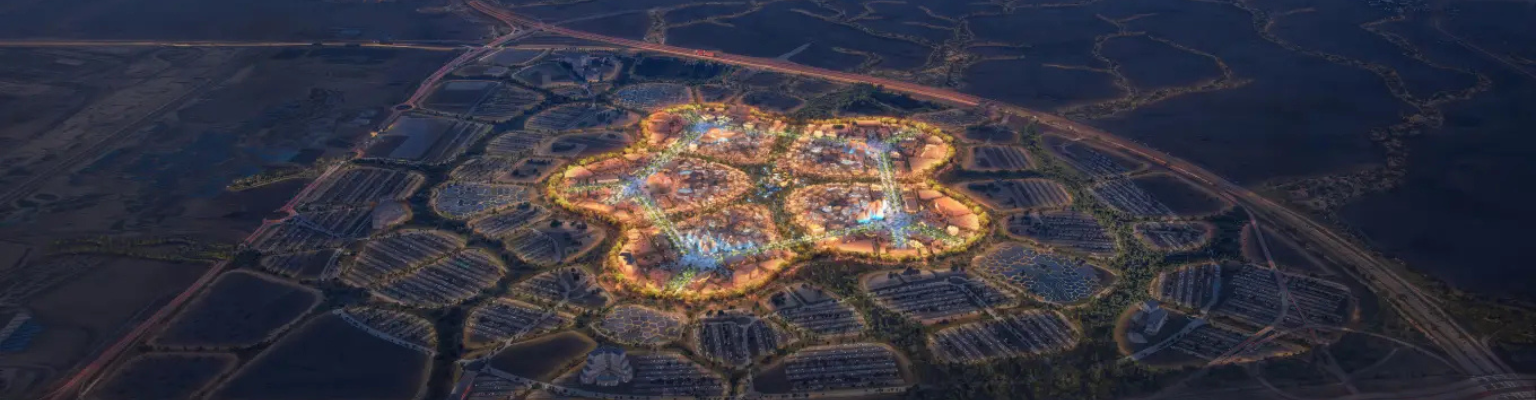
Saudi Arabia's Construction Market Backdrop
Saudi Arabia’s construction market remains in a strong execution phase heading into the second half of 2026. GDP grew 6.3 percent year on year in the first quarter, according to the General Authority for Statistics, while the non-oil private sector expanded at its fastest pace in three months in May.
Contractor awards rose from USD 28.86 billion in 2025 to USD 34 billion in 2026, up about 18 percent year on year, alongside stable sovereign ratings from Moody’s, S&P, and Fitch. Event driven programs such as Expo 2030 Riyadh sit within this broader wave of government backed investment.
What Is Expo 2030 Riyadh
Expo 2030 Riyadh is a World Expo sanctioned by the Bureau International des Expositions, the Paris based body that has overseen World Expos since 1928. Saudi Arabia secured hosting rights in November 2023, winning 119 of 165 votes in the first round, ahead of bids from Busan and Rome. The Expo 2030 Riyadh Company, wholly owned by the Public Investment Fund, leads planning and delivery in partnership with the Royal Commission for Riyadh City.
Held under the theme “The Era of Change: Together for a Foresighted Tomorrow,” the event runs from October 1, 2030 to March 31, 2031, and is expected to bring 197 nations and more than 42 million visits to the city. Behind the event sits a wide construction program, some of it built specifically for the Expo, some of it wider Riyadh infrastructure that will carry the visitors expected to attend. Here are six projects worth tracking.
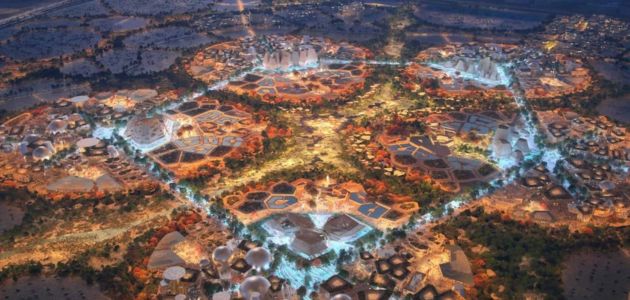
Riyadh Expo 2030
The core project is developed by the Royal Commission for Riyadh City, the Expo 2030 Riyadh Company, and the Public Investment Fund. The site is positioned near King Salman International Airport with access through the Riyadh Rail Station and three main entrances built for high visitor flow.
After the event closes, around 100 countries plan to repurpose their pavilions into schools, clinics, and research centres, extending the site’s use well beyond March 2031.
Green Oasis
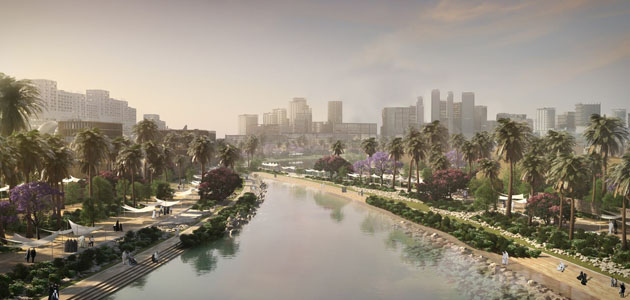
The Green Oasis is a landscaped area built along a tributary of Wadi As Sulai, the seasonal river running through the Expo site. It is being developed by the Royal Commission for Riyadh City alongside the Expo 2030 Riyadh Company.
The project reflects the Expo’s wider sustainability commitments, which also include urban afforestation and renewable energy integration across the site. It is one of the clearest examples of Saudi landscape design meeting modern engineering on this project.
Columns and Pavilions Area
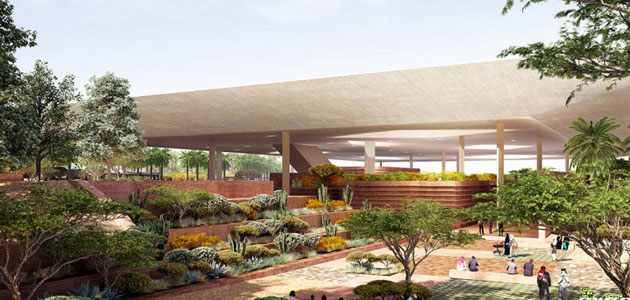
Developed jointly by the Royal Commission for Riyadh City and the Expo 2030 Riyadh Company, the area surrounds three thematic pavilions: Prosperity for All, Climate Action, and A Different Tomorrow.
These sit alongside national pavilions from participating countries, bringing the total pavilion count across the site above 230. The columns and pavilions anchor the Expo’s central spaces and frame most of the event’s key sightlines.
Infrastructure Works
This package covers the main utilities and civil works for the entire Expo site, split into three lots. Lot 1 covers the main utilities corridor, Lot 2 covers the northern cluster of the nature corridor, and Lot 3 covers the southern cluster.
The works are described as smart infrastructure, built with AI powered systems and sustainable energy sources. This package is the foundation that pavilion and building construction will sit on through 2026 and into 2027.
Riyadh Metro Project
Developed by the Royal Commission for Riyadh City, the Riyadh Metro is a six line light rail network spanning 180 kilometres across the capital, built in phases.
For a project expecting over 42 million visits in six months, this metro connection is central to keeping traffic manageable and visitors moving. It is one of the clearest examples of Vision 2030 infrastructure and Expo planning overlapping directly.
King Salman International Airport
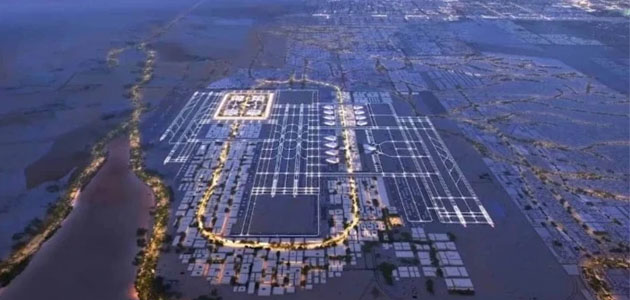
Developed by the King Salman International Airport Development Company and the Public Investment Fund, this project covers roughly 57 million square metres and is designed to handle up to 120 million travellers by 2030, rising further by 2050.
Positioned near the Expo site, the airport is expected to be a primary gateway for the millions of international visitors attending in 2030.
Why These Projects Matter Together
Individually, these six projects sit under different developers and different budgets. Together, they form the backbone that will let Expo 2030 Riyadh function at the scale it has promised, 197 nations, tens of millions of visitors, and a six month operational window with almost no room for delay.
For contractors, consultants, and suppliers tracking Saudi Arabia’s construction pipeline, this cluster of projects offers one of the clearest, most time bound views into where capital and contract awards are heading through 2027 and beyond. Get in touch with us to know more about these projects.
Scavo is tracking these major projects and many more, if you would like to find out more on how you can subscribe to receive access to project data, please contact us.