
Saudi Arabia’s Construction Sector: What Comes Next
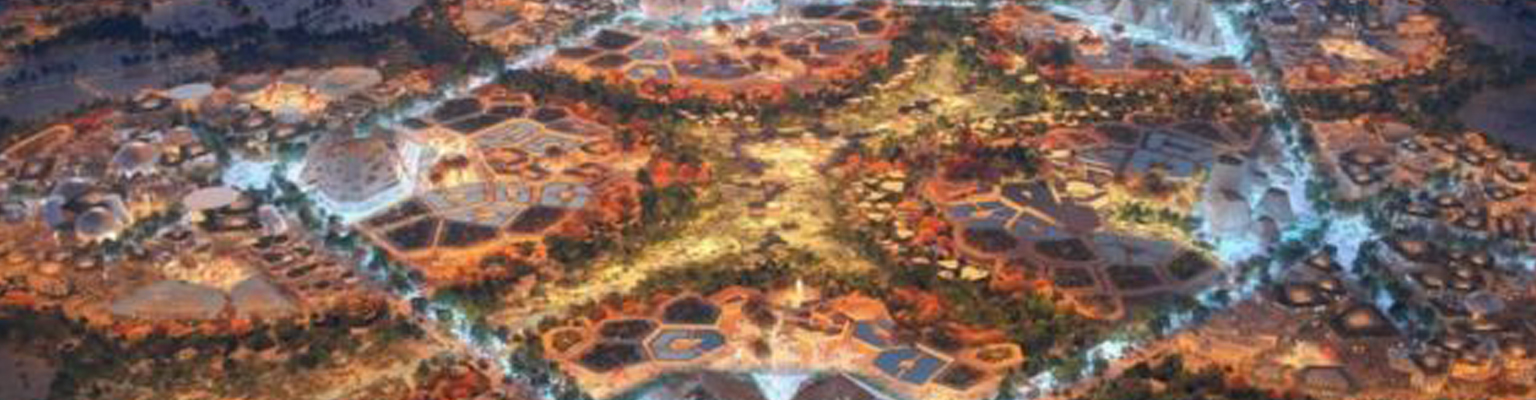
With Brent crude above $100 per barrel, Saudi Arabia is generating a daily fiscal surplus of $135 to $198 million above its IMF-estimated breakeven of $78 to $85 per barrel. At $100 Brent and daily production near 9 million barrels, that translates to an annualised surplus of $49 to $72 billion, directly available for Vision 2030 redirection.
That financial context matters because this only tells only half the story. NEOM is being scaled back. Key construction contracts have been cancelled, including major tunneling works essential to The Line. Red Sea Global’s Phase 2 construction is set to pause at the end of 2026. Both decisions reflect deliberate reprioritisation rather than financial difficulty.
The disruption scaling back NEOM is simultaneously generating the fiscal surplus to fund what replaces it. For construction businesses, the KSA opportunity has changed shape. It has not shrunk.
The Logistics Corridor That Changes the Supply Chain Story
Before assessing where investment is flowing, it is worth addressing the supply chain question that has dominated industry conversation during the period of regional tension.
Saudi Arabia built a Hormuz bypass in the 1980s. On 11 March 2026, it activated it at full capacity for the first time.
The 1,201 km East-West Pipeline, known as the Petroline, runs from the Abqaiq oil field on the Gulf coast across the full width of the Arabian Peninsula to Yanbu on the Red Sea. It was purpose-built to provide an alternative export route entirely independent of the Strait of Hormuz. Saudi Aramco activated it at its full capacity of 7 million barrels per day. The Red Sea terminal at Yanbu is fully operational for both oil export and, critically, import cargo, making it an active logistics corridor for construction materials destined for KSA projects.
For construction logistics professionals: the Red Sea corridor through Yanbu and Jeddah remains fully operational. Saudi Arabia’s western port access is unaffected by Hormuz. Any supplier or contractor currently routing construction materials into KSA projects has a viable, active, and accessible alternative corridor available now.
This is not a workaround. It is infrastructure that has existed for forty years and is now operating as designed.
Where the PIF Is Deploying Capital
The Public Investment Fund is not waiting for conditions to fully normalise before making its next moves. Active procurement is already underway across four priority sectors that represent the new shape of Vision 2030 delivery.
AI and Technology Infrastructure. The PIF is accelerating investment in data centres, digital infrastructure, and smart city systems. These are capital-intensive built environment projects requiring structural, civil, and MEP delivery capacity at scale.
Logistics and Transport. New airport development, freight infrastructure, and intermodal connectivity are active procurement programmes. The Qassim International Airport, located 25 km from Buraidah, is a live example. This PPP project covering passenger terminals and full airside infrastructure has expressions of interest currently open.
Mining. Saudi Arabia holds an estimated $2.5 trillion in untapped mineral reserves. Round 10 of the Mineral Exploration Licence programme has opened a 3,460 square kilometre zone in the Madina and Qassim regions covering copper, gold, silver, and zinc deposits. Mining development at this scale requires warehousing, processing facilities, and logistics infrastructure that does not yet exist. Construction bids are open.
Tourism and Hospitality. Diriyah Gate Phase 2 is proceeding without disruption. A main contract has been awarded to a consortium for the cultural museum anchoring this 14 square kilometre heritage masterplan. Jabal Omar Phase 7, positioned directly in front of the Grand Mosque in Makkah, has entered feasibility planning as one of the most significant hospitality zones in the Kingdom.
The Projects That Are Not Slowing Down
Two programmes sit entirely outside the reprioritisation conversation and will drive sustained construction demand through the decade regardless of what else shifts.
FIFA World Cup 2034
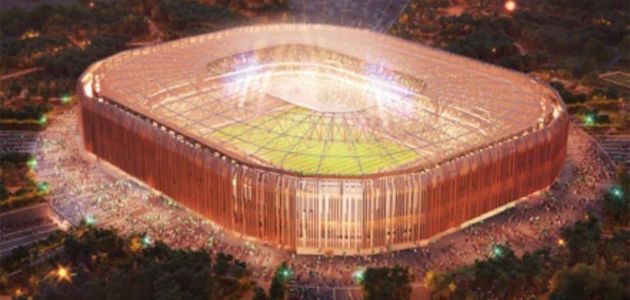
Saudi Arabia’s commitment to hosting the 2034 tournament creates hard infrastructure deadlines that cannot be deferred. Stadium construction, transport connectivity, hospitality capacity, and urban public realm upgrades across multiple host cities represent a long-duration, non-discretionary construction programme.
Expo 2030 Riyadh
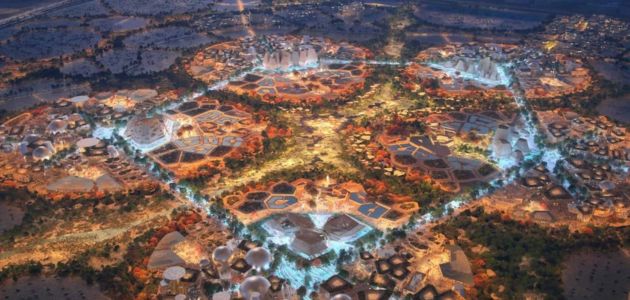
The event infrastructure and surrounding urban development programme continues on schedule. Expo commitments carry the same characteristic as FIFA: delivery by a fixed date is not optional.
Both programmes require procurement decisions to be made well in advance of delivery. The window for contractors and suppliers to establish positions on these pipelines is open now, not after full regional normalisation.
The Structural Shifts That Will Outlast the Recovery Period
Beyond the near-term rebound, the events of early 2026 are accelerating several structural changes that will define the Saudi construction sector for the rest of the decade.
Supply chain resilience as a procurement criterion. Clients and developers who experienced logistics disruption firsthand will build supplier diversification and redundancy into future procurement frameworks. Contractors with established Red Sea-side logistics capability and multi-origin supply relationships will carry a structural advantage.
Modular and off-site construction at scale. Labor availability pressures and supply chain unpredictability have strengthened the case for off-site manufacturing that was already being made on cost grounds. Prefabrication reduces dependence on just-in-time material logistics and compresses delivery timelines. What was an emerging preference in the Saudi market is becoming a procurement default on residential, healthcare, and fast-track infrastructure projects.
PPP as the standard delivery model. Saudi Arabia’s construction market is completing a transition from government-funded procurement toward a mature public-private partnership framework. The 2026 budget explicitly prioritised private sector participation. Post-tension, that model deepens. Contractors and developers who can structure PPP proposals and attract long-term private capital will find a market more receptive than at any previous point in the Kingdom’s construction history.
Digital capability as a baseline requirement. BIM compliance, digital twin integration, and AI-driven risk analytics are moving from recommended practice to contractual expectation on major government-funded projects. The disruption period made visible which firms had invested in project resilience tools and which had not. That visibility has consequences for future prequalification.
The Opportunity in Plain Terms
NEOM’s tunneling contracts have been cancelled. Diriyah’s museum main contract has been awarded. Mining exploration licences are open for bids. A new international airport is in procurement. The FIFA and Expo programmes are advancing. The PIF is actively deploying capital across four sectors that require significant built environment capacity.
The pace of construction across the Kingdom is not just holding steady. In several sectors, it is accelerating. The market has changed shape. The firms that understand the new shape, and position accordingly, will find the opportunity is as large as it has ever been.
Vision 2030 was always a generational project. The events of early 2026 have reshaped its near-term trajectory. They have not changed their destination.
Scavo is tracking these major projects and many more, if you would like to find out more on how you can subscribe to receive access to project data, please contact us.