
Saudi Arabia Giga Projects 2026: What to Expect Next?
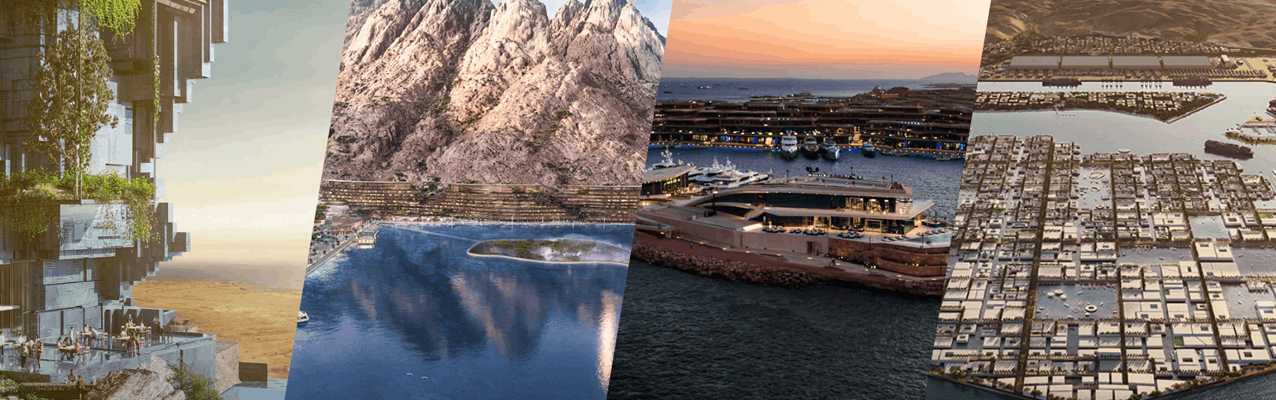
Saudi Arabia’s construction landscape is experiencing a fundamental transformation. The giga-projects market is entering a more mature, execution-focused phase in 2026. The question is no longer about scale alone but about delivery, accountability, and tangible outcomes.
The Market Shift: From Ambition to Execution
The Kingdom’s construction industry is navigating what industry experts call a period of adjustment. With nearly $1.6 trillion worth of active projects in the pipeline and $342 billion currently under construction, Saudi Arabia remains committed to its Vision 2030 goals. However, the approach has evolved significantly.
The market prioritizes phased delivery, infrastructure-first development, and projects with clear execution pathways. For 2026, total contractor awards are projected to reach $86.1 billion, with the buildings sector representing nearly 49% of total awards value.
This shift reflects a broader market maturation. Budget discipline is tightening, and tolerance for inefficiency is declining rapidly. Clients increasingly demand governance discipline, risk visibility, and measurable value rather than impressive scale alone.
Understanding the Broader Giga Projects Context
While these specific 2026 awards represent immediate opportunities, they exist within the framework of Saudi Arabia’s larger transformational projects:
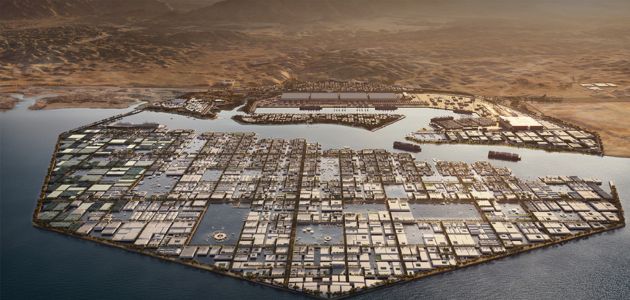
NEOM
Neom continues as the Kingdom’s flagship development. With a total investment exceeding $500 billion, NEOM represents Saudi Arabia’s boldest vision for sustainable urban living, combining renewable energy, advanced technology, and zero-carbon infrastructure.
Despite recent timeline adjustments and strategic reviews, NEOM remains central to Vision 2030’s economic diversification goals.
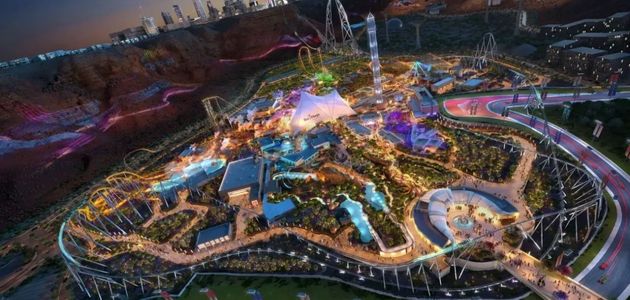
Qiddiya City
Qiddiya City is advancing beyond planning into tangible execution, with major construction milestones achieved across its 376-square-kilometer site.
By 2030, Qiddiya is projected to contribute $4.53 billion annually to Saudi GDP, create 57,000 jobs, and attract millions of visitors, establishing itself as the Kingdom’s premier entertainment destination.
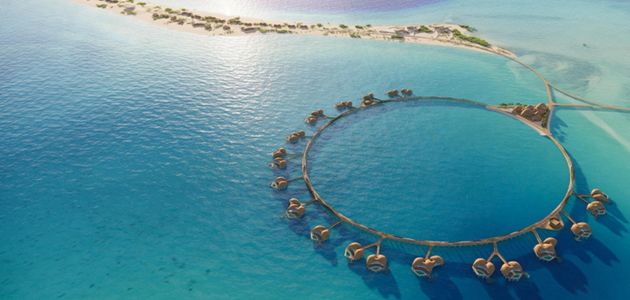
The Red Sea Project
Developed by Red Sea Global with a focus on regenerative tourism, the project targets ultra-luxury travelers while maintaining strict environmental protection standards, including 30% land set aside for conservation.
The project is expected to create over 35,000 direct and indirect jobs, welcoming one million visitors annually by 2030 and contributing significantly to Saudi Arabia’s tourism sector diversification.
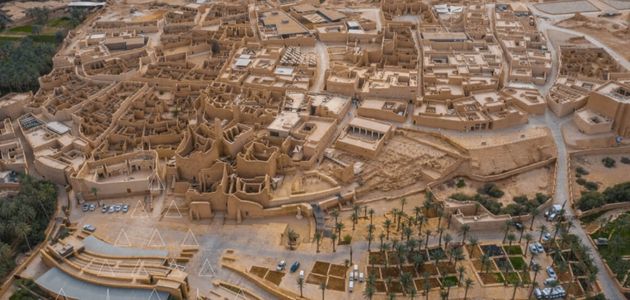
Diriyah Project
Established in 2022, the Diriyah Company is developing this historic area into a mixed-use district combining cultural attractions, luxury hospitality, retail, and residential components across 14 square kilometers.
Expected to attract 27 million visitors annually by 2030, Diriyah Project will present 300 years of Saudi history while creating thousands of jobs and establishing Riyadh as a premier cultural tourism destination.
These giga-projects provide the strategic vision, but the projects listed above represent where contractors, consultants, and suppliers will find actual contract opportunities in 2026.
Market Dynamics Shaping 2026
Beyond individual projects, several fundamental market forces are reshaping how business gets done in Saudi Arabia’s construction sector.
Economy Remains Strong
Saudi Arabia’s economic fundamentals continue supporting the construction sector. The 2026 state budget projects total expenditures of approximately $355 billion, with total revenues expected at $311 billion. The International Monetary Fund has upgraded Saudi Arabia’s GDP growth rate projections to 4% for both 2025 and 2026, reflecting confidence in the Kingdom’s economic trajectory.
Non-oil GDP growth of 4.3% year-on-year demonstrates progress in economic diversification, while strong credit ratings from major agencies affirm solid fiscal management.
Sector Performance and Opportunities
In 2025, Saudi Arabia’s total contractor awards value reached nearly $66.4 billion, with the buildings sector contributing almost 40%, followed by the power and water sector with 27%. Construction GDP reached $25.3 billion in Q3 2025, reflecting 3% year-on-year growth and strong 6% quarter-on-quarter growth.
The renewable energy sector is experiencing significant momentum. In 2025, the National Renewable Energy Programme announced $8.3 billion for seven large-scale plants (15,000MW) in July and over $2.4 billion for five additional projects (4,500MW) under Round 6 in October.
Infrastructure Priorities
Activity is concentrated in infrastructure, power and water, housing, and tourism. Momentum is strengthening around upcoming major events, including Riyadh Expo 2030 and FIFA World Cup 2034, boosting hospitality, mobility, and urban infrastructure development significantly.
What to Expect in 2026
The market is entering a more mature phase where execution capability matters more than portfolio size. Here are the defining trends that will separate winners from those left behind.
Delivery-focused Approach
The market is transitioning from announcement-led to delivery-led projects. Expect fewer speculative megaprojects and more phased, infrastructure-first delivery with stronger focus on utilities, water, transport, housing, and social infrastructure.
Foreign Investment Opportunities
The new full foreign-ownership policy taking effect in 2026 is expected to attract international contractors and investment, increasing competition and delivery capability across the market.
Digital Integration as Standard
BIM, Digital Twins, AI dashboards, and drone monitoring are no longer innovations but entry requirements. Clients now expect 4D/5D planning linked to real progress, predictive analytics rather than retrospective reports, and a single source of truth across all stakeholders
Contractor Market Consolidation
The market will not be kind to under-capitalized contractors or firms dependent on variations to survive. Expect fewer but stronger contractors, more joint ventures and strategic alliances, and higher thresholds for prequalification.
Positioning for Success
The critical constraint in Saudi Arabia is no longer funding but capable leadership bandwidth. There remains a severe shortage of program directors, client-side leaders who understand delivery, and professionals who combine technical depth with commercial judgment.
Success in 2026 will depend on embracing accountability over bravado, mastering integration over execution silos, and delivering certainty rather than excuses. The market increasingly follows individual track records rather than corporate logos alone.
Projects Expected to Award Contracts in 2026
While the headline giga-projects capture global attention, the real action in 2026 lies in specific, high-value contracts ready to be awarded. Here are the top projects that will define the market this year:
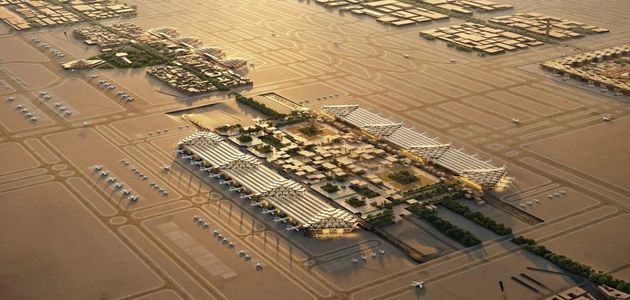
King Salman International Airport - Six Parallel Runways ($5.5 Billion)
The largest project expected to be tendered in 2026, this massive infrastructure development in Riyadh will transform the Kingdom’s aviation capacity.
Developed by King Salman International Airport Development Company (KSIADC) with the Public Investment Fund, the project is currently in the tender for construction stage with Jacobs Engineering Group and Foster + Partners as consultants.
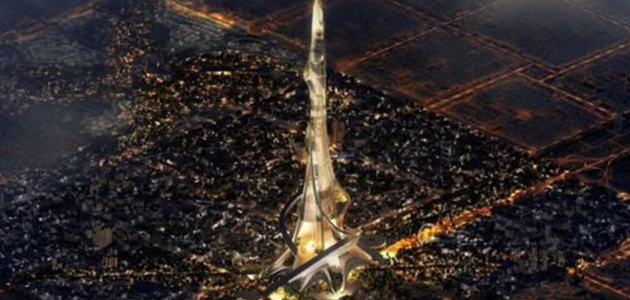
The North Pole Project - The Rise Tower ($3 Billion)
Part of Riyadh’s skyline transformation, this iconic development is being designed by a consortium including Skidmore, Owings & Merrill (SOM), Foster + Partners, and HKS Architects.
The Public Investment Fund and Saudi Arabia Holding Co. are driving this ambitious project forward.
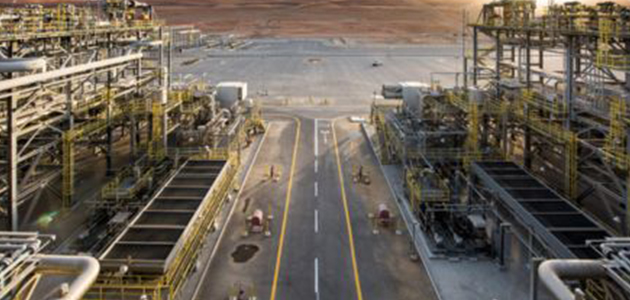
Jafurah Gas Compression Project Phase 4 ($2.5 Billion)
Saudi Aramco continues its strategic expansion with this critical infrastructure project.
With John Wood Group PLC as consultant, this tender for construction represents the Kingdom’s commitment to energy security and industrial growth.
Looking Ahead
Saudi Arabia’s giga-projects are not slowing down but maturing. The Kingdom remains committed to its transformational vision, but the path forward emphasizes sustainable execution, measurable outcomes, and long-term value creation. As 2026 unfolds, the focus remains clear: turning ambition into reality, one milestone at a time.
Get in touch with us for tracking these and many other projects.
Scavo is tracking these major projects and many more, if you would like to find out more on how you can subscribe to receive access to project data, please contact us.