
Saudi Arabia Construction Sector Outlook 2026: Key Trends Shaping the Future of the Industry
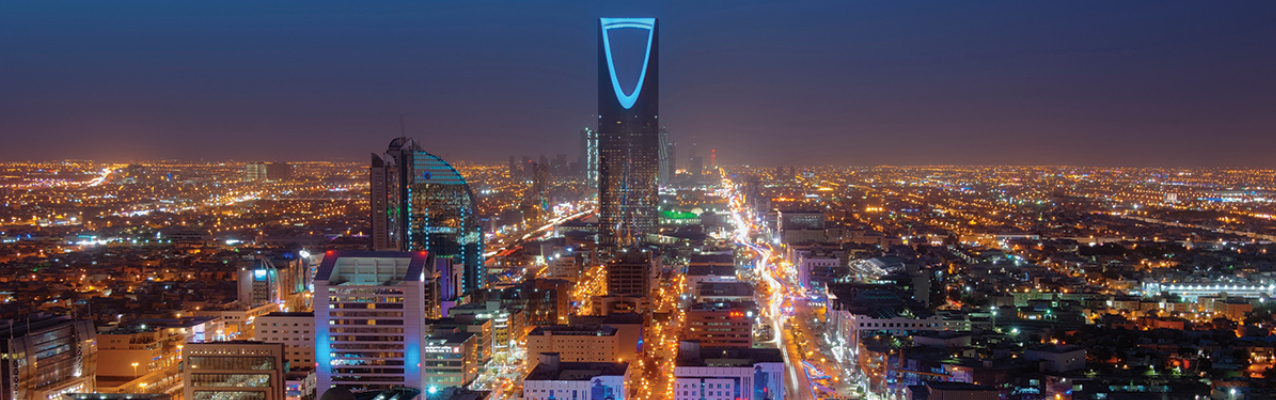
The construction and building sector in the Kingdom of Saudi Arabia is undergoing an unprecedented phase of transformation, driven by Saudi Vision 2030, massive government investments, and mega-projects that are reshaping cities and infrastructure. As we move into 2026, the question is no longer whether growth will continue, but rather how the sector’s landscape will evolve and which trends will lead the next phase.
In this article, we explore the key expectations for the Saudi construction market in 2026, highlighting the most important construction trends that will impact developers, contractors, investors, and engineering consultancy firms.
Market Overview in 2026
The Saudi construction sector is expected to maintain strong momentum throughout 2026, supported by the continued execution of giga-projects such as NEOM, Qiddiya, the Red Sea Project, New Murabba, and Amaala, alongside the expansion of residential, infrastructure, transportation, and energy projects.
Market indicators point to:
- The building sector continues to dominate the largest share of total contract value.
- Balanced growth in infrastructure and transportation, driven by the expansion of railway networks and airports.
- Rising investment in energy, water, and sustainability-related projects.
Trend One: Sustainability Is No Longer an Option, It Is a Core Requirement
By 2026, sustainability will shift from being an added value to a fundamental requirement in planning and execution. New projects in the Kingdom are adopting strict environmental standards, including:
- Reducing carbon emissions.
- Using low environmental-impact building materials.
- Enhancing energy and water efficiency.
- Increasing reliance on renewable energy.
Demand for certifications such as LEED and Mostadam is also expected to rise, pushing contractors and developers to rethink their design and execution approaches.
Trend Two: Digitalization and Smart Construction Technologies
The sector is witnessing rapid digital transformation, and 2026 is expected to mark a major maturity point for technologies such as:
- Building Information Modeling (BIM).
- Digital Twins for managing the full project lifecycle.
- Data analytics and artificial intelligence to predict risks and optimize costs.
- Smart project management systems.
These technologies not only improve efficiency but also help reduce delays, enhance construction quality, and increase transparency among all stakeholders.
Trend Three: Modular Construction and Off-Site Manufacturing
With increasing schedule pressure and rising labor costs, modular construction and prefabrication are gaining momentum. By 2026, these methods are expected to become more widespread across:
- Residential projects.
- Healthcare and educational facilities.
- Temporary buildings and fast-track infrastructure.
This trend contributes to:
- Faster project delivery.
- Reduced waste.
- Improved construction quality.
- Enhanced safety on construction sites.
Trend Four: Focus on Quality of Life and Urban Environments
Projects are no longer evaluated solely by their size or cost, but by their impact on quality of life. In 2026, Saudi Arabia is expected to see:
- Expansion of integrated residential communities.
- Increased green spaces and public amenities.
- Projects focused on health, well-being, and smart mobility.
This direction reflects a strategic shift toward building more sustainable and attractive cities for both residents and investors.
Trend Five: A Competitive Environment and New Opportunities for Contractors
Competition in the market is expected to intensify due to:
- The entry of new international companies.
- Partnerships between local and global contractors.
- Greater emphasis on prequalification and technical capability.
At the same time, significant opportunities will emerge for companies that can:
- Adapt to advanced technical requirements.
- Offer innovative solutions.
- Comply with environmental and regulatory standards.
Conclusion: 2026 The Year of Smart Transformation
The year 2026 represents a critical transition for the Saudi construction sector, from quantitative growth to qualitative maturity. Success in this phase will depend not only on execution capabilities but also on innovation, sustainability, and data-driven decision-making.
For suppliers and contractors, understanding these trends and preparing for them early will be key to seizing opportunities in one of the world’s most dynamic construction markets. Get in touch with SCAVO to access the latest Saudi construction market updates and discover emerging opportunities.
Scavo is tracking these major projects and many more, if you would like to find out more on how you can subscribe to receive access to project data, please contact us.